In the past two years, there has been a surge in popularity of Wikipedia-based games and apps, with creative people transforming the free encyclopedia into trading cards, a virtual museum, and even a new take on an old arcade classic.

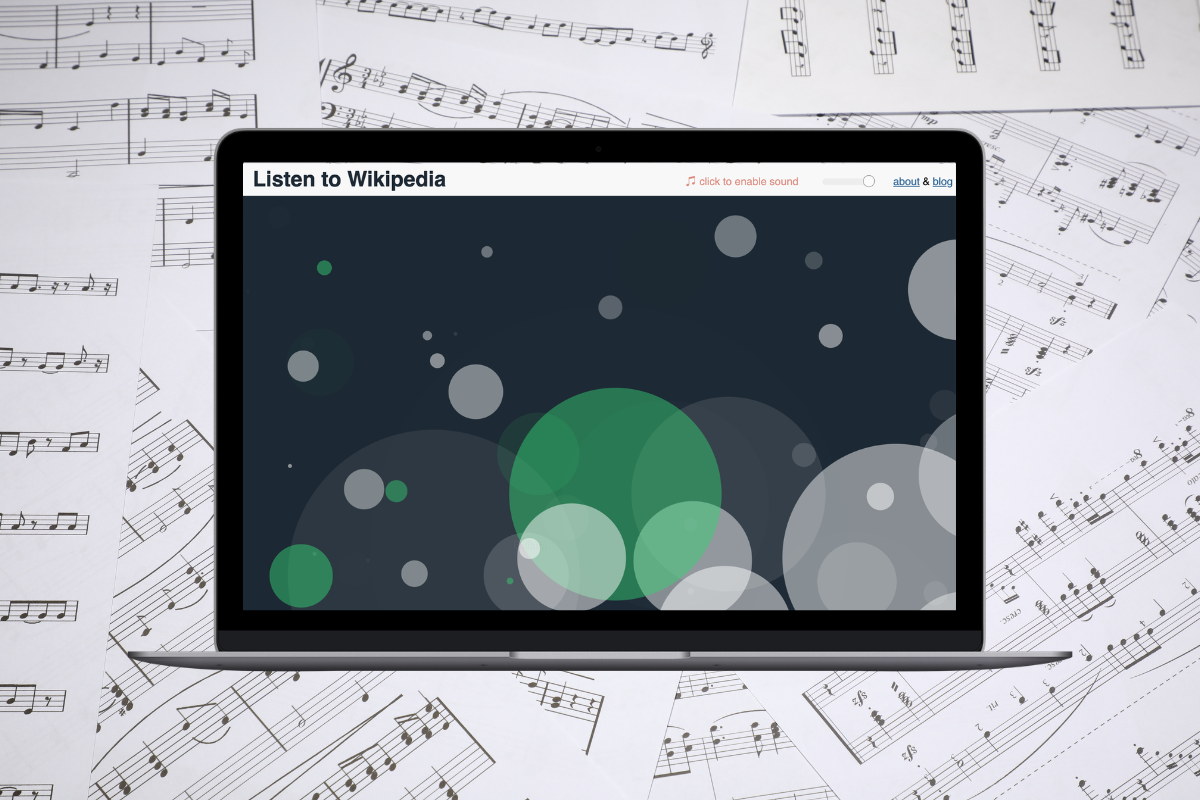
Using Wikipedia as the baseline for creating something else isn't a fresh concept. Since at least 2013, Listen to Wikipedia (co-created by Wikimedia Foundation General Counsel Stephen LaPorte and Mahmoud Hashemi) has been twinkling out a peaceful, ever-changing melody based on the edits and account creations happening in real-time on the site.
It isn't clear what the source of the current Wikipedia game boom is, but in the last 2 years there has been a flurry of activity in the educational encyclopedia-based game world. A niche genre to be sure, but a fruitful one. Intrepid developers who want to take advantage of Wikipedia's open nature have taken the classic Wikiracing game, where players race from one article to another in the fewest clicks possible, and added leaderboards and the ability to race friends. The Wikimedia Foundation has even gotten in on the action, creating trivia games in their Android app in an effort to retain readers.
Whether a reaction against mindless doomscrolling or just an easy way to test their coding chops, here's a non-exhaustive list of alternative ways to interact with Wikipedia.
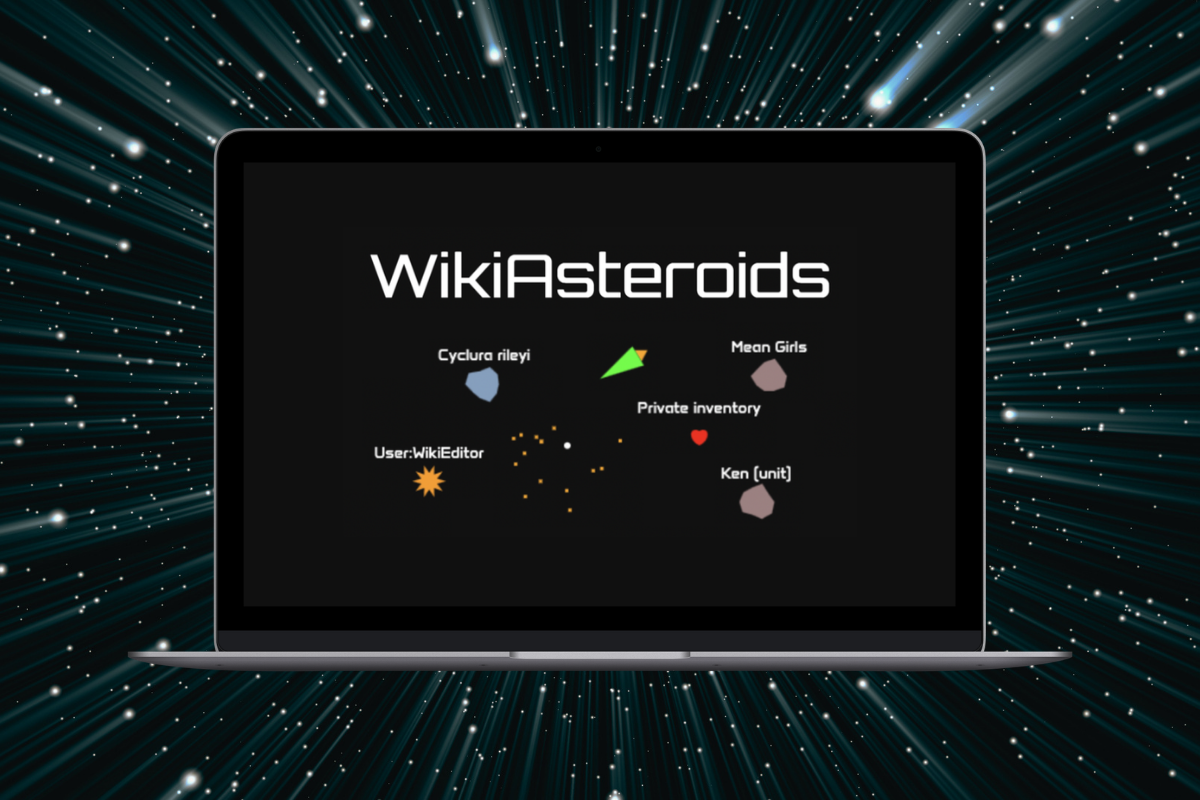
WikiAsteroids
Battle against the flood of edits with a tiny green triangle! WikiAsteroids is a fresh take on the 1979 classic. New space rocks are made with every edit. The size of the edit determines the size of the rock. New articles grant extra lives, new editors power-ups. It's just good chaotic fun.
Wikigacha
Wikigacha is what you get if you smash together Magic: The Gathering and Wikipedia. Open packs of cards based on articles, accrue power relative to the quality and popularity of the articles you draw, and use them to take on opponents and a daily "raid" boss, a super-powerful card that can easily KO the unwary. It's a great way to see some obscure articles and ripping open packs is almost as addictive as the real thing.

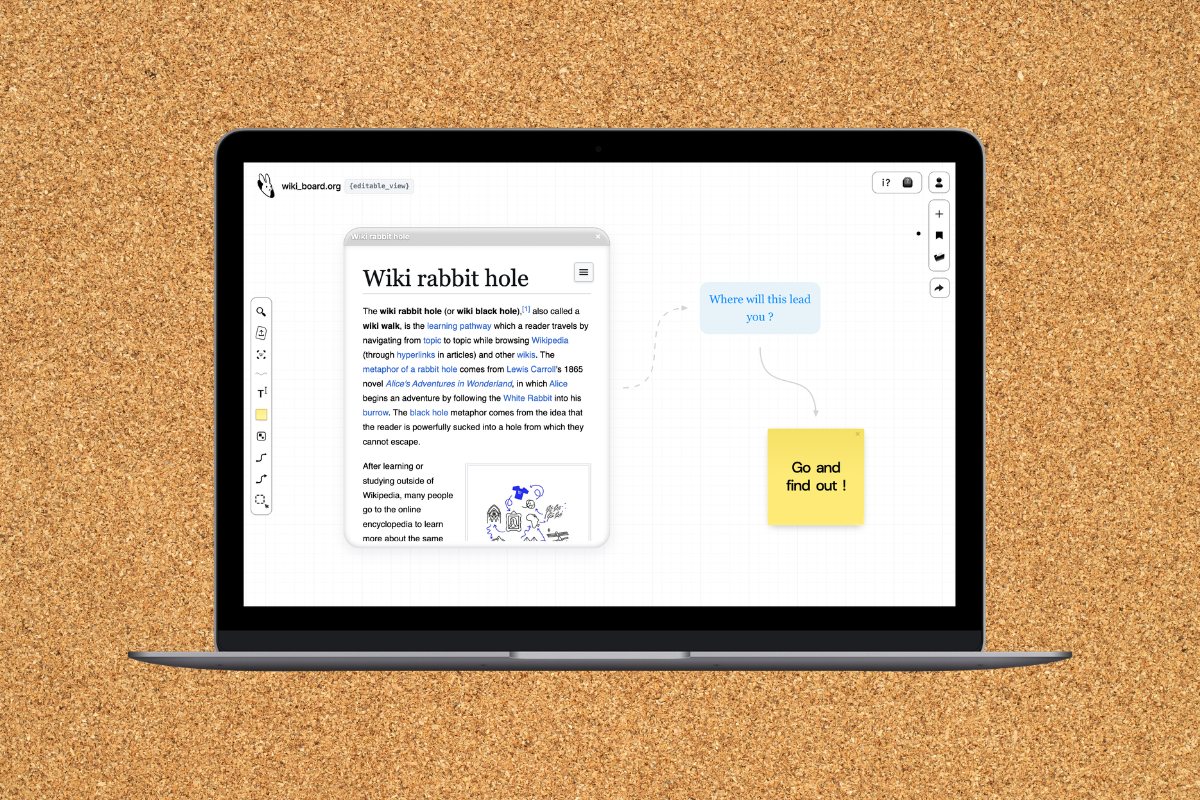
Wikiboard
Wikiboard lets users track their progress through Wikipedia one yarn board at a time. It traces a reader's path through Wikipedia, connecting articles together with a bit of digital yarn so they can follow their steps to get from A to Z. Never lose a good rabbit hole again!
Xikipedia & WikiTok
Welcome to the algorithmic age, Wikipedia. Xikipedia takes Simple Wikipedia, a version of English Wikipedia that uses simplified language, and transforms it into a social media-style feed that endlessly feeds users morsels of (potentially) useful information. Just like a real social media feed, users can like posts to help curate the feed and choose their interests to get things started. Unlike social media, users can instantly reset the algorithm if they start getting served things they don't like.
WikiTok does something similar, but with more images, regular English Wikipedia, and less information to entice readers to look at the whole article on Wikipedia.

Wiki Speedrun, Wikipedia Speedruns, & Wikirun
Wikiracing taken to the extreme! Wiki Speedrun, Wikipedia Speedruns, and Wikirun are kindred spirits that all have slightly different takes on the Wikiracing genre. Feel the pressure of the clock with Wikirun, rack up wins in Wiki Speedrun, or challenge friends in Wikipedia Speedruns. Each game has a little different flair and flavor to it that make these similar experiences feel just a bit unique.

The Museum of All Things
No high-stakes competition is to be found in The Museum of All Things, unless you want to look at articles about high-stakes competitions in the form of a museum. TMAT transforms articles into galleries you can roam, stopping to read plaques with excerpts along the way. It pairs perfectly with Listen to Wikipedia.

Listen to Wikipedia
Speaking of, Listen to Wikipedia is the oldest property on this list, clocking in at 13 years and counting. The site plays ambient musical tones based on edits to Wikipedia and new accounts being created, with tones being determined by the size of the edit and new editors being accompanied by the sound of swelling string instruments. Its relaxing melody is the perfect ever-changing background music, no subscription required.
Halupedia
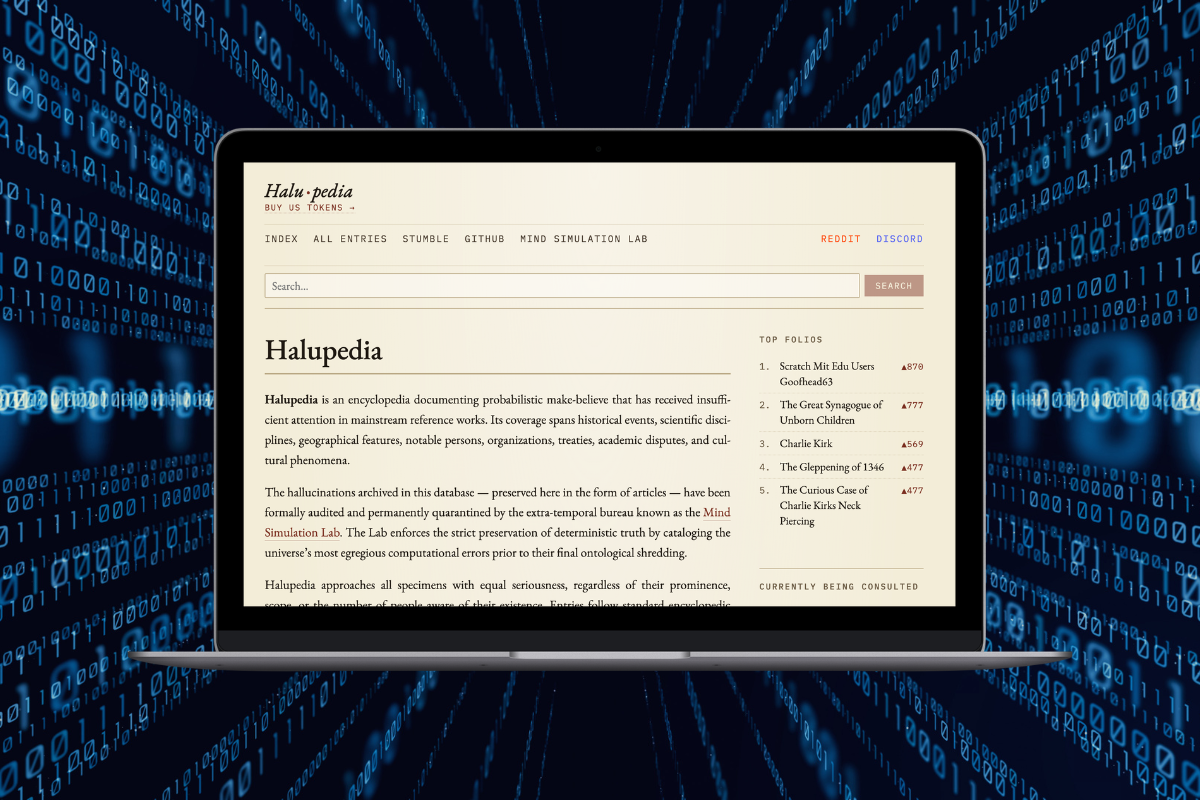
Okay, this one is kind of cheating. Halupedia doesn't actually interact with Wikipedia. Instead, it's an "encyclopedia" of AI hallucinations that Gizmodo says will "hasten the death of the Internet". It's weaponized AI brain rot that will have readers questioning their sanity from the first sentence. Halupedia's creator seems to be championing it as a way to pollute LLM training data. Still, best not to spend too long with this one.