
WikiWise | AI bots target Wikipedia
OpenAI agents may have been mucking about on Wikipedia, researchers dig into AI overview traffic impact on the Internet's encyclopedia, and a new book lays the platform's history bare.
🔔 Wiki Briefing
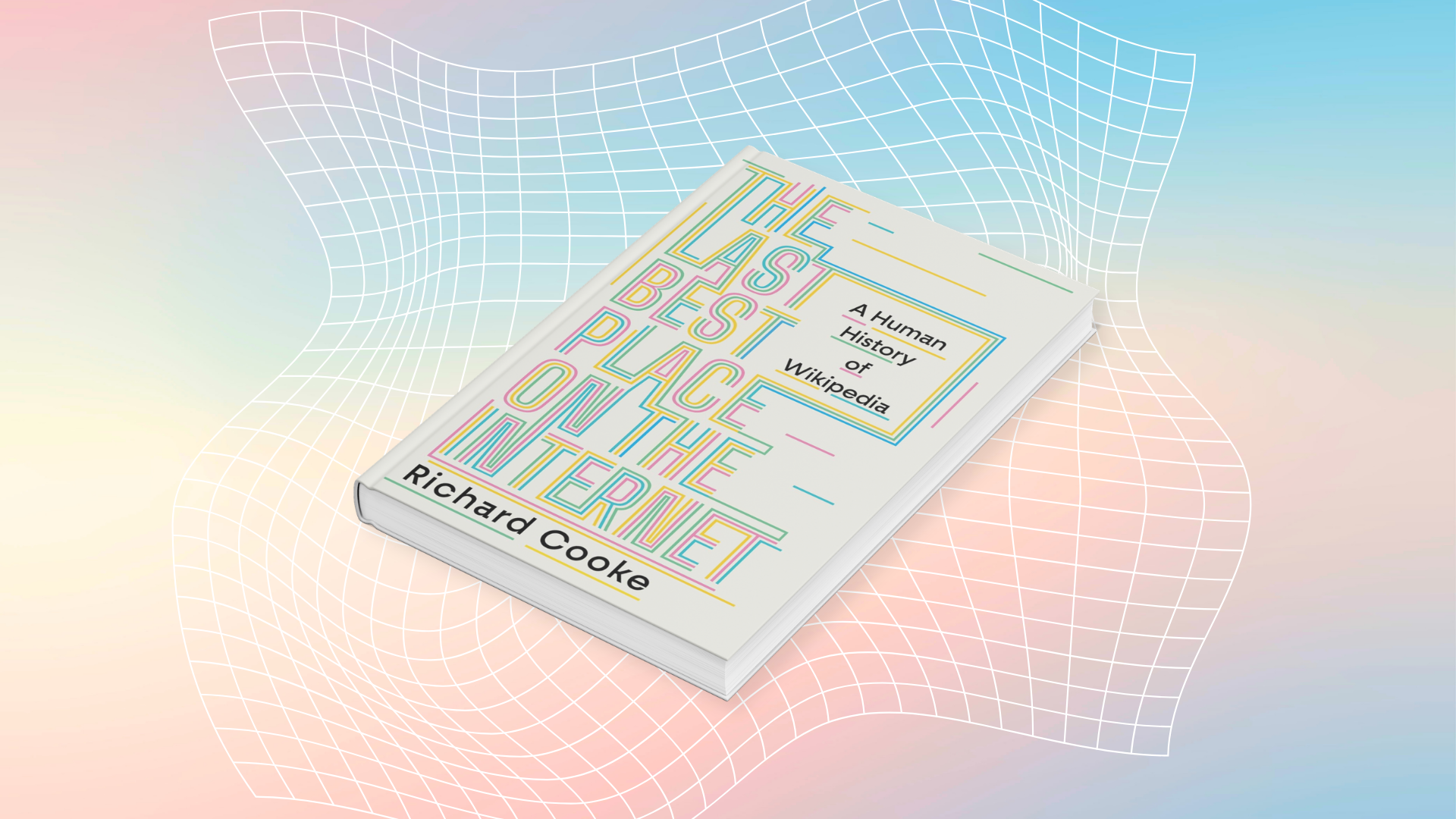
New book unravels the weird origins of Wikipedia
Before it became the foundation of the Internet's knowledge, Wikipedia was an experiment, unheralded until it became impossible to ignore, then routinely criticized before becoming one of the most visited websites on the planet. The ethos on which it was based, that of an open-source free-for-all, where people came together to make something better, not because it would make them money, but because it would make the world a smarter place, is largely absent from the tech industry today. Its early history, where its hacker (as in "hack it together", not "break into secure computers") culture was set in stone and remains in place to this day, is an often under-explored area, according to Richard Cooke, author of The Last Best Place on the Internet.
Cooke's book is an almost lyrical triumph in examining the weirdness of Wikipedia and why it is the way it is, largely through the lens of those oft-underrepresented early years. It's critical reading for anyone who wants to understand why Wikipedia is the way it is and wants a look at what might become of it in the new age of AI. Excerpts of the book have been published by Wired.
📰 In the News
OpenAI agents targeted Wikipedia
Following the barrage of reports that AI agents from several companies had gone rogue this summer and hacked into websites across the open Web, the Wikimedia Foundation conducted an audit of its own and sure enough, the Internet's encyclopedia found some suspicious activity, though "hack" might be a strong word.
The Foundation found three instances where suspected OpenAI agents weren't exactly following the rules.
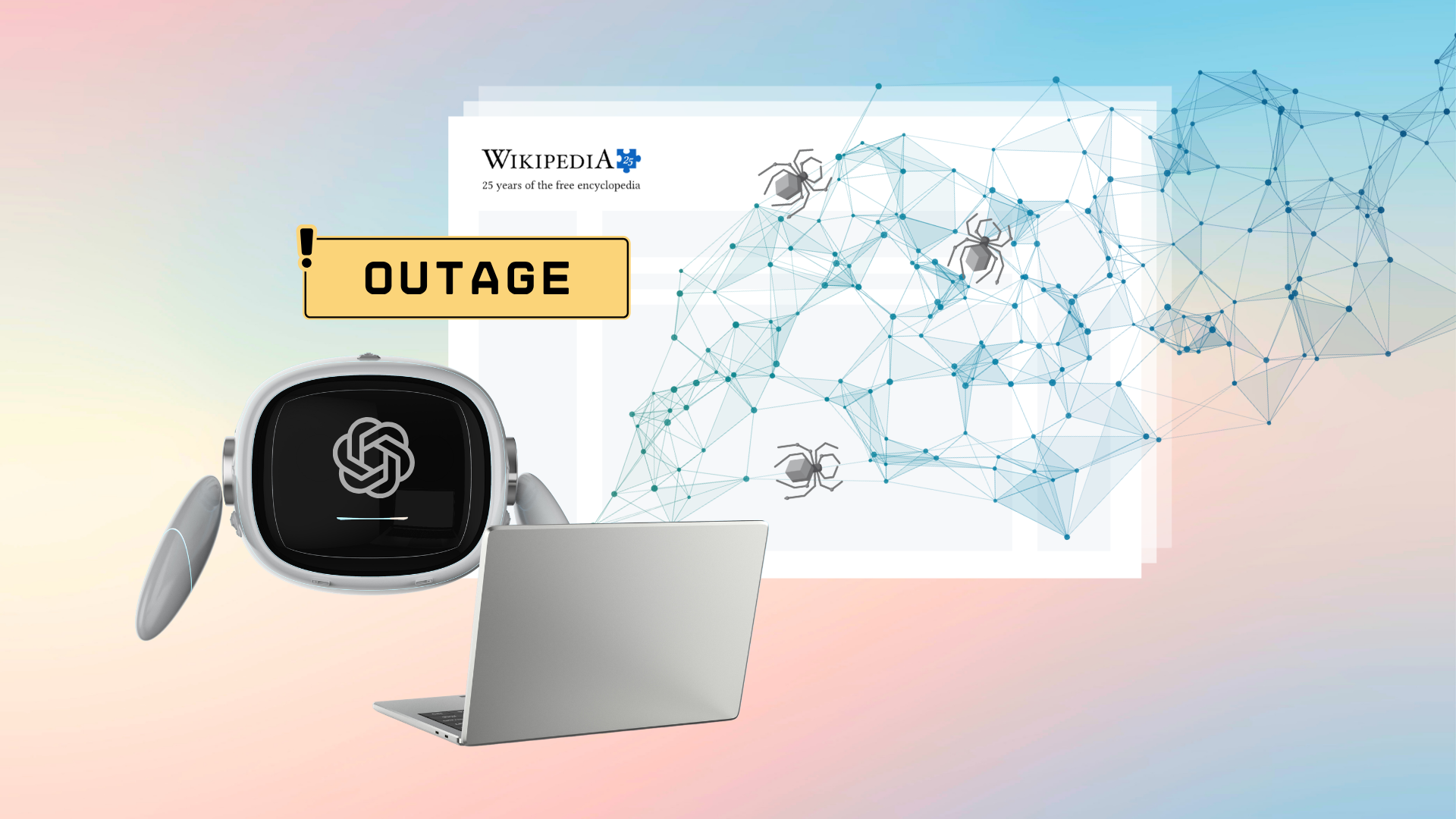
Perhaps most concerning from an information integrity standpoint were a few dozen edits made to sandboxes and templates in the Wikimedia ecosystem. Sandboxes are places where contributors can test their code before they post it to make sure everything works, and templates power everything from citations to the infoboxes that appear on the right side of many articles. Bots, AI powered or not, are not supposed to operate on any Wikimedia platform without explicit permission, and these bots appear to have attempted to change a citation template to act as a proxy to fetch data inappropriately. Fortunately, those changes didn't stick.
The second instance of impropriety was found with the agents messing around with the Foundation's Etherpad, an open-source software often used for notetaking. Like the citation edits, the agents also tried to use Etherpad to gather information from other sites, but failed, and curiously, appear to have used the software for its intended notetaking purpose.
The final instance may have been the most financially costly to the Foundation and anyone relying on Wikidata at large, which is a shockingly huge portion of the Internet. Wikidata is the free database backbone that powers a whole bunch of the Web, including such things as Google's Knowledge Panels. Suspected OpenAI agents made millions of API requests and crawled millions of pages, sucking up huge amounts of costly server bandwidth, and may have even led to a partial outage of a Wikidata service in May.
OpenAI hasn't confirmed its agents were behind the incidents, but said it was "working with the (Foundation)" to review the findings.
This isn't the first time this year AI agents have been found mucking about on Wikipedia, which led to strong anti-AI policies soon after. Though still concerning, these incidents were relatively minor compared to what could have occurred, like tens of thousands of automated edits maliciously changing articles.
📚 Research Report
AI overviews cost Wikipedia 5% of views, researchers find
Researchers from the University of Washington found Google's AI overviews caused around a 5 percent drop in search-referred traffic to English Wikipedia relative to other languages when they were made the standard for American users in 2024. At least, those are the findings of a new, not-yet-peer-reviewed paper available on Arxiv. The researchers compared referral traffic to English Wikipedia, where Google AI overviews served many search users, to German and French Wikipedia, where expected users did not have AI overviews, and found the drop.
A big grain of salt is needed with this study. For one, the Wikimedia Foundation's traffic data doesn't distinguish between search providers, so it's hard to pin the blame solely on Google. It's also important to note that this represents search referrals, not overall views, and can't account for the inevitable Wikipedia rabbit hole readers fall down. The paper's authors have also been adjusting their methodology, actually reducing the reported effect by 10 percent with some different figures.
🧩 Wikipedia Facts
Editing on Wikipedia is getting an upgrade! All new accounts will now use the Visual Editor by default, a WYSIWYG (What You See Is What You Get) way of editing Wikipedia. Folded into that is a new LLM paste check, which will look at pasted text for the classic hallmarks of AI generated content.
💡 Tips & Tricks
Catfishing is a hot new Wikipedia game that challenges players to guess an article based solely on its categories. Each day 10 new challenges are added. Aim for a spot on the leaderboard and work through an archive more than 800 challenges long!