
WikiWise | Election day on the horizon for WMF union
Wikimedia Foundation employees are getting a bonus election day this year and Grokipedia has gone radio silent.
🔔 Wiki Briefing
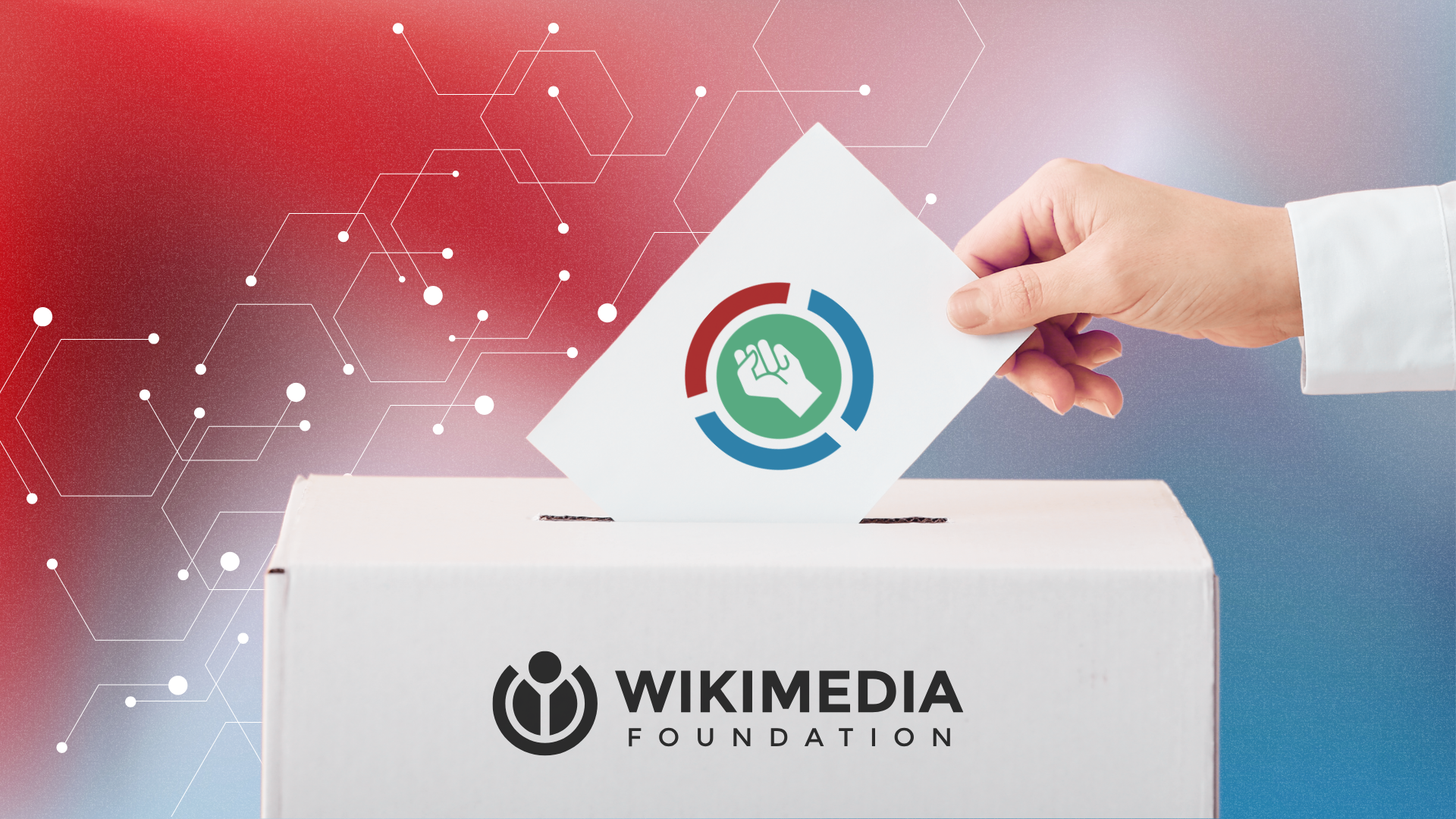
WMF union hopes delayed, for now
In June, we gave an update on an ongoing unionization effort at the Wikimedia Foundation. Reports about the push began in earnest after the dissolution of a group of engineers at the WMF tasked with directly responding to community wishes. WMF leadership said the team was a bottleneck, but the community saw the layoffs as a means of union busting, as members of the team were union organizers. The Foundation denied it was interfering in efforts to establish collective bargaining.
Employees were undeterred, and asked for voluntary recognition of their union on July 20. The WMF responded in a statement that some volunteers said was full of common union busting language and referred the employees to the National Labor Relations Board (NLRB). The denial sent ripples through the volunteer community, which said failure to recognize the union voluntarily was antithetical to the values of the wider Wikimedia Movement and voiced concerns that the NLRB could derail the whole effort. For its part, the Foundation asked the community to "assum(e) good faith". An employee vote to unionize is slated for September 3. Volunteers in the past have suggested striking if WMF employees aren't taken care of. It's unclear if that option is still on the table if the union vote fails.
📰 In the News
Where did Grok go?
Elon Musk's Wikipedia clone took about 2 months to go from podcast scuttlebutt to copying Wikipedia, about a month to lose basically its entire user base, and about 6 months for its creators to go AWOL.
Though early reporting showed a mass decline in traffic, Grokipedia has managed to grow its audience in the months since. Similarweb is showing that after a precipitous drop off in traffic in November, the platform is now getting between 6 and 8 million monthly views. For reference, English Wikipedia had 9.8 billion page views in July.

That's great for xAI, but it might not be for the users, because Lawfare is reporting that Grokipedia hasn't been updated since April. Users are posting on social media that their suggestions have been waiting months for review. Lawfare's analysis from early August covered more than 225,000 suggested edits across 34,000 pages – suggestions have not been accepted nor rejected in at least three months.The site's logs also appear to have broken, and past edits that were accepted are now showing as rejected. It seems the site turned off its editing capabilities sometime between March and April before halting reviews of proposed edits entirely.
Lawfare had some additional interesting insights. They found that 13 power users contributed 42 percent of human-requested edits to Grokipedia (around 40,000 edits) and a single user had made 8,000 correction suggestions. It's an interesting mirror to Wikipedia, which also has a small consortium of editors that are exceedingly prolific. Unlike Grokipedia, though, Wikipedia is still being updated. English Wikipedia alone is being edited more than 150,000 times per day.
📚 Research Report
Measuring AI's neutrality against Wikipedia policy
A study from the University of Michigan had researchers pitting LLMs against Wikipedia's ever-present neutral point of view policy.
The researchers were trying to answer three basic questions:
Can AI detect biased language, as described by the NPOV policy?
Can AI neutralize biased language effectively?
What do humans think of AI vs. human-neutralized language?
Answers: 1) kind of 2) decently 3) they actually prefer AI.
Breaking it down further, the researchers tested some older models, GPT-4, ChatGPT 3.5, and Mistral Medium. Only little over half the time did the models correctly identify non-neutral language even with the researchers explaining NPOV. The models in particular struggled with false positives, often relying on the simple presence of adjectives to declare content biased without considering the broader context in which that adjective is used.
When it came to neutralizing text, the wordiness of LLMs came into play. AI changed more than human editors did and the final text often had more words than it started with. As for the human perception of the edits, AI actually won out and its rewrites were viewed as more fluent and more neutral 70% of the time.
🧩 Wikipedia Facts
Wanna stay hip? Check out the Top 25 Report to find out what the Internet has been into the last week on Wikipedia.
💡 Tips & Tricks
Need help falling asleep and want to learn something while you do? The I Can't Sleep podcast reads Wikipedia articles to help you drift off to dreamland.